Tesla battery replacement involves removing and installing a new or refurbished high-voltage battery pack when degradation, damage, or warranty-covered defects make repair impractical.
At EV Reviver, we specialize in Tesla high-voltage battery diagnostics, module-level repair, and full battery replacement for Model S, Model X, Model 3, and Model Y, helping you determine the right solution based on your battery’s actual condition.
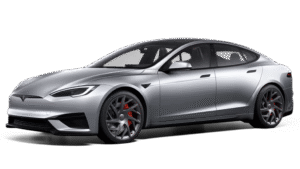
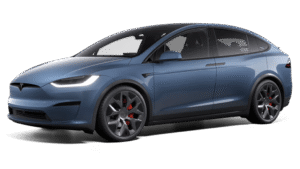
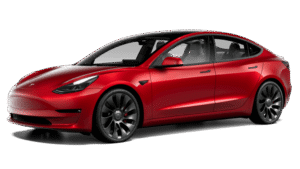
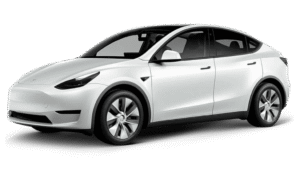
Same-day diagnostics for Tesla High-Voltage Batteries, with fast scheduling.
Serving Orange County, Los Angeles County, Riverside County, and greater Southern California.
Tesla Model 3 and Model Y use Tesla’s 2170 lithium-ion cells in a structural battery pack that also acts as part of the chassis. This design improves rigidity and safety but requires more complex disassembly during battery replacement.
Tesla Service Centers typically charge $13,000–$18,000 for tesla battery replacement. At EV Reviver, we offer more competitive options, with Model 3 high-voltage battery replacement starting at $6,500 and Model Y starting at $7,500.
Battery lifespan in these models is generally consistent thanks to Tesla’s advanced Battery Management System (BMS), which actively balances cell temperatures and charging cycles.
These models feature Long Range (75–82 kWh) or Standard Range (50–60 kWh) battery configurations. The structural pack design contributes to efficiency and a lower center of gravity.
Tesla battery replacement typically takes 5–7 business days, depending on parts availability. The process strict safety procedures during removal and installation.
Model S and Model X use 18650 (pre-2021) or 2170 (2021+) lithium-ion cells in a traditional removable battery pack. This design supports modular repairs, allowing individual battery modules to be serviced when needed.
Tesla typically charges $15,000–$22,000 for battery replacement. At EV Reviver, we offer more affordable alternatives, with Model S high-voltage battery replacement starting at $6,000 and Model X starting at $9,000.
High-performance driving and aggressive thermal cycling can increase battery wear, especially in Ludicrous or Plaid modes. However, Tesla’s thermal management system helps maintain long-term durability with proper care.
These models offer battery capacities from 75 kWh to over 100 kWh, with Plaid variants exceeding 100 kWh. Larger packs support higher performance and extended range.
Due to complex cooling systems and integrated components, replacement time can vary—from about five hours in ideal conditions to five to seven days if parts need to be sourced.
Tesla Battery Experts
Explore Tesla battery replacement options for Model S, Model X, Model 3, and Model Y. At EV Reviver, our technicians evaluate each high-voltage battery to determine the most practical solution—whether that’s module-level repair or full battery replacement.
Discover insightful stories from Tesla owners who placed their faith in our unparalleled battery restoration expertise and experienced remarkable transformations in their vehicles.
EXCELLENTTrustindex verifies that the original source of the review is Google. I am impressed with their team here. Finding a shop that actually understands EV high-voltage systems and software diagnostics—without pushing unnecessary repairs—is rare, but these guys are true specialists. They were fast, honest, transparent with their pricing, and kept me updated. My Model S is running smoothly with zero alert codes now, the job took a little bit longer but was completed well. I paid a fraction of the cost to replace battery in Tesla service center. If need any top-tier EV expertise without dealership prices or endless waiting, this is hands-down the best shop in town.Posted on GoogleTrustindex verifies that the original source of the review is Google. I had to replace LDU with EV REVIVER and Leon gave me good repair cost other than anther repair shop. If someone ask me for repair Tesla, I would recommend EV REVIVER for sure. Thank you Leon.Posted on GoogleTrustindex verifies that the original source of the review is Google. I wish I found this place sooner! Staff was friendly and communicative, service was quick, and it was way more affordable than getting repairs done at a Tesla service center!Posted on GoogleTrustindex verifies that the original source of the review is Google. I brought my 2017 Tesla Model S 100d—Midnight—to EVReviver with an inoperative battery. Before bringing it in, I sent Leon screenshots of the fault codes, and he gave me a clear price range for the repair. Once they had the car, it only took a couple of days to diagnose and fix the issue, turning a nonfunctioning Tesla into a fully operational car again. They stuck to the quoted price with no surprises. Leon and Mitch were both great to work with. Communication was excellent, especially by text when I was busy, and their online dashboard made it easy to follow the car’s progress and make payment. Here are a couple of before-and-after photos—the results speak for themselves. I highly recommend EVReviver to anyone dealing with a Tesla battery issue.Car is alive again and i didn't need to replace a whole High Voltage battery! 172k miles and still kicking!Posted on GoogleTrustindex verifies that the original source of the review is Google. I traveled all the way from Las Vegas to have my 2016 Tesla model X battery replaced at EV reviver spoke with someone at Tesla. They said they could only replace my 90 D battery with another 90 D battery. Leon and his staff were able to put a 100 D battery in my car. I wish I could give Leon an EV reviver more than five stars.Posted on GoogleTrustindex verifies that the original source of the review is Google. Thank you Leon for your quality, integrity, friendly and professional work. I highly recommend this service for anyone who need a battery replacement.Posted on GoogleTrustindex verifies that the original source of the review is Google. Leon and his crew are absolutely incredible, very attentive and sweet, also knowledgeable and explain everything thoroughly. They are super efficient and on the money when it comes to projected time frame and pricing. I was estimated 10k + for something they did for under 4k, the best around in my opinion. Choose EV Reviver!!Posted on GoogleTrustindex verifies that the original source of the review is Google. Had the unfortunate luck of getting a failed HV battery past the warranty. Called multiple 3rd party battery installers and EV reviver beats all of them in pricing and warranty.Verified by TrustindexTrustindex verified badge is the Universal Symbol of Trust. Only the greatest companies can get the verified badge who has a review score above 4.5, based on customer reviews over the past 12 months. Read more
According to Tesla’s 2023 Impact Report, maintaining battery health is essential for long-term performance and efficiency.
At EV Reviver, we evaluate real-world battery conditions daily—helping identify whether a targeted repair or full replacement is the right next step.
Tesla battery replacement cost is a critical factor in long-term ownership. At EV Reviver, we regularly diagnose high-voltage battery issues and help Tesla owners determine when replacement is necessary versus when repair is still viable.
Battery degradation directly impacts performance, driving range, and overall vehicle value. Unlike traditional engines that lose efficiency gradually, EV batteries experience measurable capacity loss over time.
When Battery Replacement Becomes Necessary
These changes don’t just impact range—they can influence how your Tesla performs day to day.
Understanding when replacement is required helps you make informed decisions and avoid unnecessary costs.
Common indicators include:
REAL-WORLD PERFORMANCE
We’ve transformed over 500 Tesla batteries, extending vehicle life and performance across Orange County.
Our precision diagnostics help you make informed decisions—so when replacement is the better path, you can confidently move forward with the right solution.
Trusted expertise diagnosing and resolving complex Tesla high-voltage battery issues for Model 3, Y, S, & X.
Save up to half compared to Tesla service centers, with no compromise in quality, safety, or long-term performance.
Finance Tesla battery replacement with 0% APR, fast approval, and full parts-and-labor warranty included.
At EV Reviver, we evaluate real-world battery performance and system data to determine whether a repair or full replacement is actually necessary—helping you avoid unnecessary battery replacements.
Tesla batteries typically lose capacity fastest in the first year, then stabilize into a slower, more predictable decline. Most owners see around 1–2% annual capacity loss after the initial break-in period, meaning the battery can often last well beyond the vehicle’s expected lifespan.
In many cases, replacement isn’t due to normal wear. It’s often triggered by:
Common indicators include:
The decision to replace a Tesla battery isn’t based on capacity alone. It depends on whether the remaining range still meets your daily driving needs.
In many cases, a degraded battery may still be usable—making targeted repair or continued use a practical option instead of immediate replacement.
EV Reviver Reliable Solution
At EV Reviver, we evaluate each Tesla battery individually to determine whether repair or full replacement is necessary—helping you avoid unnecessary costs.
Battery condition is the main cost driver. Minor issues may be repairable, while severe degradation or internal damage typically requires full replacement.
Not all failures require a full swap. Module-level repairs can often restore performance and reduce costs by 40–60%.
Costs vary by model and pack size. Model S and X are typically more expensive, while Model 3 and Y are generally more cost-efficient.
Labor and service choice impact pricing. Tesla Service Centers often charge more, while independent EV specialists may offer more flexible options. Labor can add $1,000–$3,000.
Tesla’s 8-year battery warranty covers defects and major degradation (typically below 70% capacity). Out-of-warranty repairs are owner-paid.
Battery availability affects cost. Older packs may be more expensive due to limited supply, while newer models benefit from better availability.
Tesla battery replacement can extend your Tesla’s life by several years, often at a lower cost than buying another vehicle. The right choice depends on your vehicle’s condition, remaining value, and long-term plans.
Schedule a Tesla battery diagnostic with EV Reviver to understand whether repair or replacement makes the most sense for your vehicle.
Tesla refurbished batteries offer lower upfront cost, while new batteries provide longer warranty and maximum lifespan. The right choice depends on how long you plan to keep your Tesla and your overall budget.
Refurbished Tesla batteries typically cost 30–50% less than new.
Model 3 refurbished units often range around $6,500–$9,000, while new replacements can reach $13,000–$18,000+. Model S and X follow similar pricing gaps.
New batteries include Tesla’s full 8-year warranty, while refurbished options usually carry shorter 1–2 year coverage. New packs offer maximum longevity, while refurbished units still provide reliable performance for most drivers.
At EV Reviver, we help you compare refurbished and new battery options based on your vehicle’s condition—so you can choose the right solution without overpaying.
Offer OEM battery replacements with factory-backed warranty coverage and standardized processes. However, pricing is typically higher and options are limited to full replacement in most cases.
Provide more flexible solutions based on battery condition, including module-level repairs and alternative replacement options, often at a lower cost than full OEM replacement.
The right choice depends on your battery’s condition, warranty status, and budget—not just where you go. A proper diagnostic is key to determining the most practical solution.
At EV Reviver, we help you compare refurbished and new tesla battery options based on your Tesla’s condition—so you can choose the right solution without overpaying for Tesla battery replacement.
PRECISION YOU CAN TRUST
Replacing a Tesla battery requires specialized tools, high-voltage expertise, and precise calibration to ensure long-term performance. It’s not a simple swap—each step is critical to restoring your vehicle safely and correctly.
At EV Reviver, we follow a structured diagnostic-first approach to determine whether replacement is necessary and ensure every installation meets OEM-level standards.
Every battery replacement begins with a full diagnostic to confirm whether replacement is required or if repair is possible. We analyze cell performance, fault codes, and overall battery health to determine the right solution.
The vehicle is lifted and the high-voltage battery pack—typically weighing 1,000–1,400 lbs—is safely removed and replaced using specialized equipment and strict safety protocols.
After installation, the battery is calibrated and tested to ensure proper communication with the vehicle. This step is critical for restoring performance, charging behavior, and accurate range estimation.
Need to confirm whether your Tesla requires battery replacement?
EV Reviver can perform a full diagnostic and guide you to the right solution.
Get answers to common questions about Tesla battery replacement and costs
Replacement costs range from $5,999-$22,000 depending on your model and service provider. Tesla Service Centers charge $13,000-$22,000, while we at EV Reviver offers competitive rates starting at $6,500-$9,000.
Tesla batteries typically last 15-20 years or 300,000+ miles. Most owners retain over 90% capacity after 100,000 miles and 80%+ after 200,000 miles. Battery replacement is rare – less than 1 in 1,000 vehicles need it, and in many cases it can be avoided through more affordable repair options. At EV Reviver, we offer comprehensive HV diagnostics to determine whether recalibration, module repair, or other targeted solutions can restore performance before replacement becomes necessary.
Tesla provides 8-year unlimited mile coverage (Model S/X) or 8-year/120,000-mile coverage (Model 3/Y). Warranty covers defects and capacity drops below 70%, but excludes accident damage or modifications. EV Reviver offers versatile, customer-friendly warranty options on Tesla battery replacements, giving owners added peace of mind long after original warranties expire.
Replace if your Tesla is mechanically sound and replacement costs less than 40% of the vehicle’s value. Consider buying different if costs exceed 50% of your car’s worth or you want newer technology.
Yes. Tesla offers certified refurbished batteries for 30-50% less than new ones. They undergo rigorous testing but come with shorter warranties (1-2 years vs. 8 years for new). At EV Reviver, we offer customer-friendly warranty options that make refurbished batteries a practical and cost-effective solution for Tesla owners.
Key warning signs include 20-30% range loss, frequent charging failures, inability to hold a charge, error messages about battery health, or capacity dropping below 70% of original.
At EV Reviver, replacement can take as little as five hours for Model S and X vehicles, while Model 3 and Y replacements typically take one to seven days depending on parts availability and shop workload. The process involves removing and installing 1,000+-pound battery packs, followed by extensive testing and system validation to ensure safe, factory-spec performance.
Full battery replacement is typically necessary when capacity falls below 70% of the original, significantly affecting vehicle performance. Replacement is also advised when individual module repairs are not cost-effective. Independent shops like EV Reviver typically route retired batteries to certified recycling facilities or Tesla-approved recycling programs.