
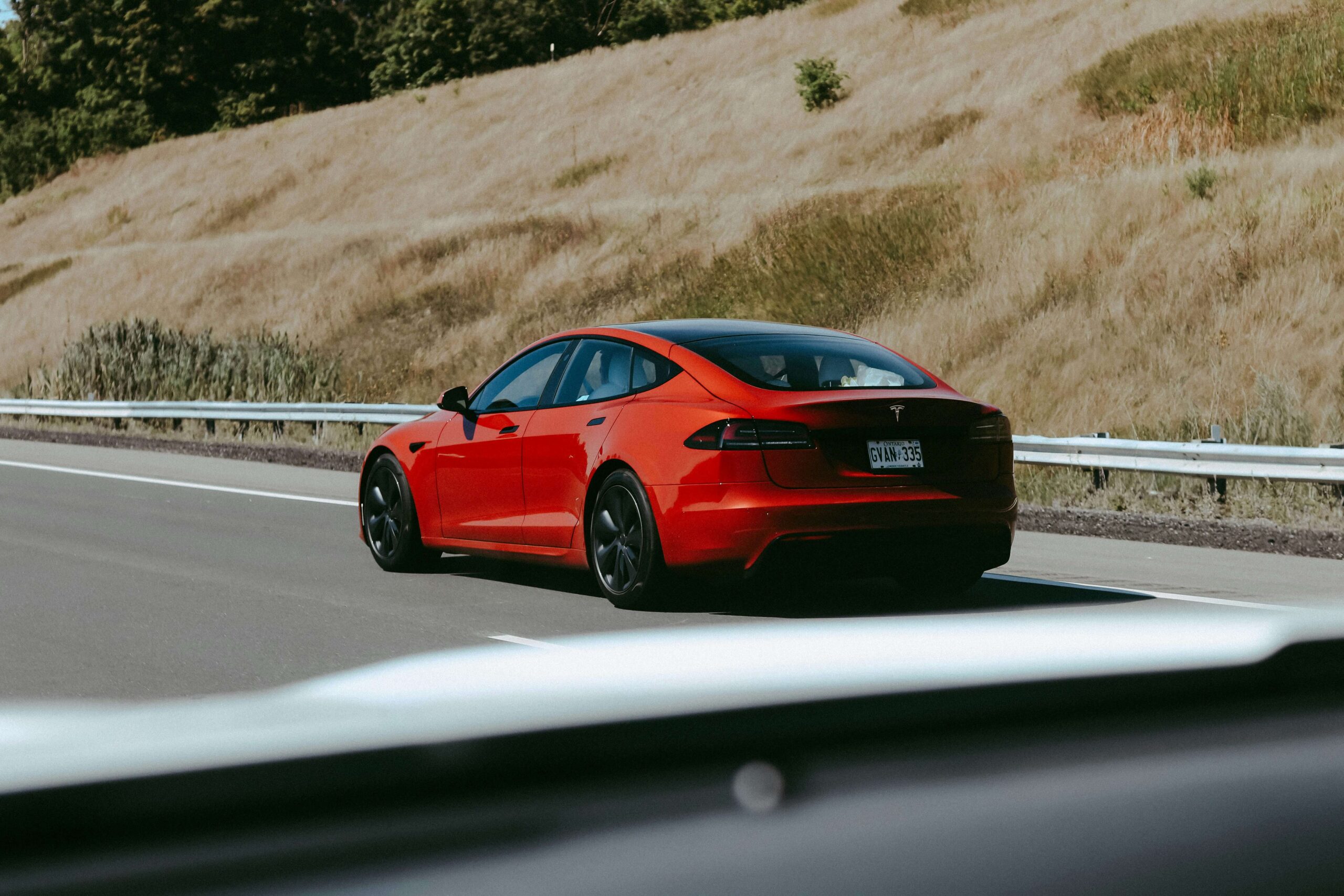

As Teslas age and accumulate mileage, more owners are encountering questions and concerns about the tesla drive unit. From unusual noises to sudden loss of power, drive unit issues are one of the most discussed high-voltage problems in Tesla vehicles. Understanding what the drive unit does, how failures present themselves, and what repair or replacement options exist can help owners make informed decisions before a minor issue becomes a major expense.
Tesla designs its drive units to last hundreds of thousands of miles, but like any mechanical and electrical system, failures can occur under certain conditions.
For Tesla owners seeking Tesla drive unit repair in Orange County, early warning signs such as drivetrain noise, inverter alerts, reduced acceleration, or sudden power loss should not be ignored. With heavy freeway driving and high-mileage usage across Irvine, Santa Ana, Costa Mesa, Newport Beach, and surrounding Orange County cities, wear-related tesla drive unit failure, including rear drive unit and inverter issues, is becoming more common. At EV Reviver, Tesla drive unit diagnostics are performed daily to determine whether a targeted repair is possible or if tesla rear drive unit replacement is necessary, helping owners clearly understand their options and the true tesla drive unit replacement cost before committing to major work.
What Is a Drive Unit in a Tesla?
What is a drive unit and why is it so important? In simple terms, the drive unit is the heart of a Tesla’s propulsion system. It combines the electric motor, inverter, gearbox, and differential into a single integrated assembly that converts electrical energy from the battery into motion at the wheels.
In a Tesla, the drive unit replaces many traditional components found in gas-powered vehicles, such as the engine, transmission, and driveshaft. Because of this integration, when a drive unit develops a fault, it can affect acceleration, efficiency, and overall drivability.
Tesla Drive Units by Model
While the underlying electric drive technology is similar across Tesla vehicles, different platforms use distinct drive unit architectures. Model S and Model X vehicles historically utilize larger drive unit designs, commonly referred to as LDUs, with the Tesla Model S drive unit engineered for higher performance and sustained power delivery.
In contrast, Model 3 and Model Y vehicles use more compact SDU-style drive units optimized for efficiency and packaging, with the Tesla Model 3 drive unit designed to balance range, weight, and everyday drivability. Despite these architectural differences, many drive unit failure symptoms, diagnostic processes, and repair considerations remain consistent across Tesla models.
Dual-motor configurations are available across Tesla’s Model S, Model X, Model 3, and Model Y lineups. These dual-motor variants utilize separate front and rear drive units to provide all-wheel drive, meaning drivetrain faults can originate from either assembly depending on accumulated mileage, operating conditions, and the specific drive unit revision installed. Rear-wheel drive versions, by comparison, rely on a single rear drive unit.
Tesla Drive Unit Failure Symptoms
Recognizing Tesla Drive Unit Failure Symptoms early can prevent further damage. Drivers often report humming, whining, or grinding noises that increase with speed. Others experience sudden reductions in power, warning messages on the dashboard, or the vehicle entering limp mode.
In more advanced cases, vibration during acceleration or difficulty maintaining highway speeds may indicate internal bearing or inverter issues. These symptoms should never be ignored, as continued driving can worsen the damage.
Common Types of Tesla Drive Unit Failure
A Tesla drive unit failure can occur for several reasons, including bearing wear, coolant intrusion, inverter faults, or electrical insulation breakdown. Some failures affect the entire drive unit assembly, while others are isolated to specific components within the system.
Some older Tesla vehicles, particularly early Model S platforms, experienced drive unit issues that were later traced to internal bearing wear in early production designs. These issues often developed gradually and became more noticeable as vehicles accumulated higher mileage.
In both rear-wheel drive and dual-motor configurations, rear drive unit failures can also occur as drivetrain components are subjected to prolonged load, heat, and daily driving stress. While not universal, these failures are more commonly observed in high-mileage vehicles and typically reflect long-term wear rather than sudden defects.
One specific and increasingly discussed problem is Tesla rear drive unit inverter failure. The inverter is responsible for converting DC power from the battery into AC power for the motor, and when it fails, the vehicle may lose propulsion entirely or display critical fault warnings.
Tesla Drive Unit Replacement Cost and Repair Options
When problems arise, many owners immediately worry about tesla drive unit replacement cost. Full replacement can be expensive, especially outside of warranty, but it is not always the only solution. In some cases, targeted repairs—such as bearing replacement, inverter repair, or resealing—can restore functionality without replacing the entire drive unit.
A professional diagnosis is essential to determine whether repair or replacement is the most cost-effective option, particularly for vehicles with otherwise healthy batteries and electronics.
Tesla Drive Unit Warranty: What You Need to Know
Tesla vehicles come with a factory tesla drive unit warranty that typically aligns with the battery warranty, covering the drive unit for several years or a specific mileage threshold. This coverage has provided peace of mind for many owners experiencing early failures.
As Tesla vehicles age, many owners begin to wonder what the Tesla drive unit warranty covers. In general, the warranty applies to defects in materials and workmanship for a defined period but does not last indefinitely. Once that coverage expires, owners typically need to consider independent drive unit repair or replacement options if issues arise.
Key Takeaways on Tesla Drive Unit Reliability
The Tesla drive unit is a highly advanced and durable component, but it is not immune to wear or failure over time. Understanding Tesla Drive Unit Failure Symptoms, knowing the risks of tesla drive unit failure, and being aware of warranty and repair options can save owners significant stress and expense.e.
Whether you’re noticing early signs of drive unit trouble or responding to an active drivetrain warning, early diagnosis and expert evaluation are essential to keeping your Tesla performing reliably over time. At EV Reviver, specialized Tesla drive unit diagnostics help identify issues accurately and guide owners toward the most effective repair or replacement options. Contact us and schedule an inspection to address concerns early and protect long-term vehicle performanc
Frequently Asked Questions
Get answers to common questions about Tesla Drive Unit
What is a Tesla drive unit?
A Tesla drive unit is the integrated propulsion assembly that converts electrical energy from the battery into motion at the wheels. It combines the electric motor, inverter, gearbox, and differential into a single system, replacing many traditional drivetrain components found in gas-powered vehicles.
What is Tesla drive unit warranty?
Tesla drive unit warranty refers to the manufacturer coverage that applies to the drive unit for a defined time and mileage period, often aligned with the high-voltage battery warranty. Coverage details can vary by model year and region.
What does Tesla drive unit warranty cover?
The warranty generally covers defects in materials and workmanship during the covered term. It typically does not apply to damage caused by misuse, accidents, or normal wear, and coverage ends once the defined warranty period expires.
What is Tesla drive unit replacement cost?
Tesla drive unit replacement cost varies depending on the vehicle configuration, whether the issue affects the front or rear assembly, and the nature of the failure. In some cases, targeted repair may be possible, while others may require full replacement if the damage is extensive.
How long does a Tesla drive unit last?
Tesla drive units are engineered to last hundreds of thousands of miles, depending on driving conditions, mileage, and thermal stress. Both Model S and Model 3 drive units are designed for long-term use, though wear-related issues can develop over time.
What are Tesla drive unit failure symptoms?
Common Tesla drive unit failure symptoms include humming or grinding noises, vibration during acceleration, reduced power, or drivetrain warning alerts. In some cases, issues may involve rear drive unit or inverter-related failures, especially in higher-mileage vehicles.