
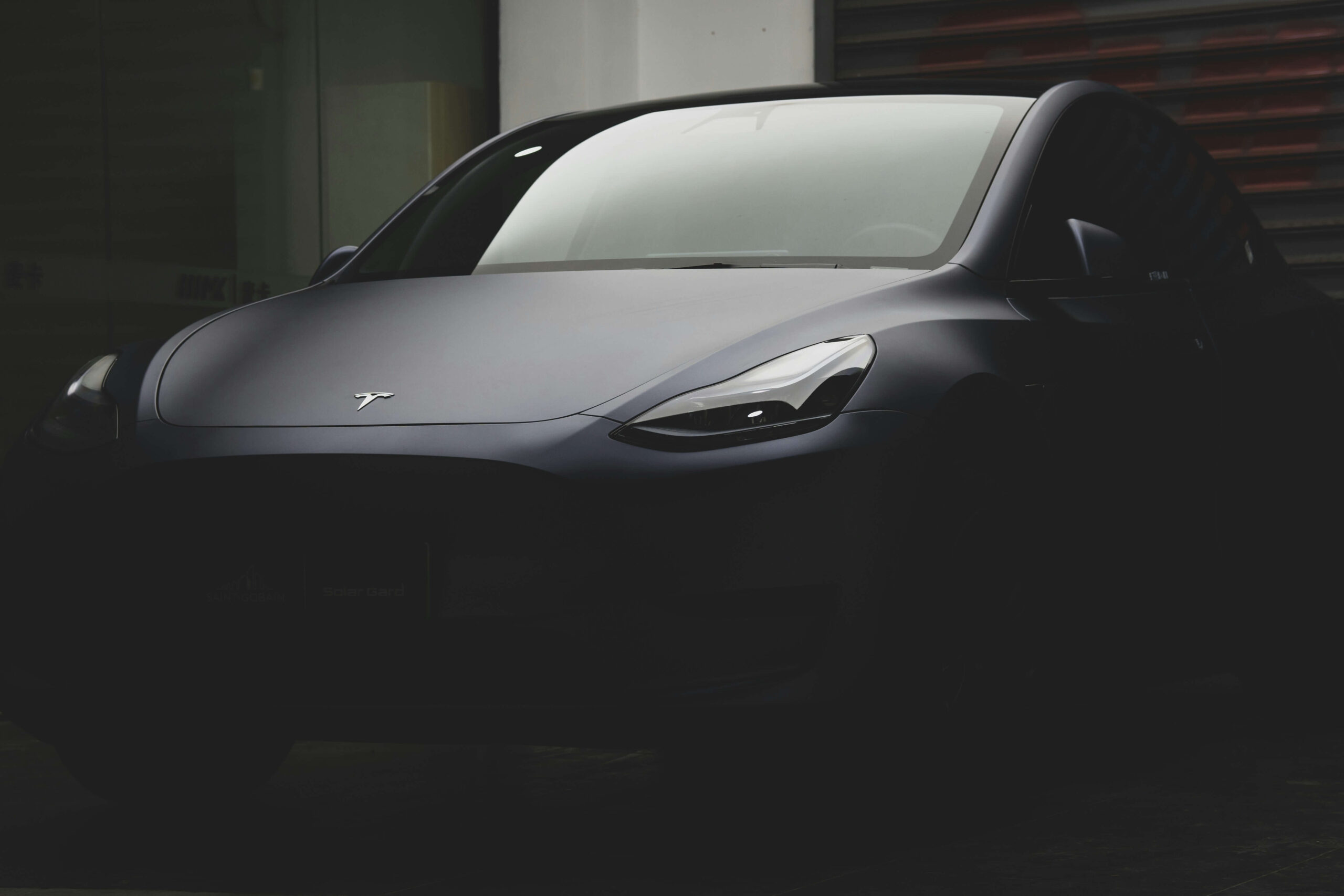

The landscape of Tesla battery replacement costs in 2026 reflects significant advancements in technology and pricing, making it more affordable than many owners might anticipate. The Tesla battery replacement cost 2026 is now a far cry from the $20,000+ figures that once made headlines.
According to research from Goldman Sachs, battery prices have substantially decreased since 2023 due to improvements in manufacturing, increased production scale, and advancements in battery chemistry. These changes have positively transformed the economics of electric vehicle ownership.
Today, the cost of replacing a Tesla battery typically ranges from $8,000 to $18,000, depending on the model, battery capacity, and whether you opt for OEM or third-party service. This is comparable to, or often less than, the cost of replacing a combustion engine in a luxury vehicle. Independent service providers in areas like Orange County, California, offer competitive pricing, and often below Tesla’s official service rates.
However, understanding these costs requires more than simply looking at numbers. It’s crucial to consider factors such as battery configuration, labor complexity, regional pricing variations, and, most importantly, whether replacement is actually necessary.
At EV Reviver, our technicians regularly help Tesla owners diagnose battery issues and explore repair options before recommending replacement. Schedule a Tesla battery diagnostic with our team to determine the most practical solution for your vehicle.
Factors Influencing Tesla Battery Costs
Several factors determine the final price tag for Tesla battery replacement in 2026. Battery capacity is a major cost driver, a Model S with a 100 kWh pack will naturally cost more than a Model 3 Standard Range with a smaller 50 kWh configuration. The Tesla Model 3 battery replacement cost typically falls between $8,000 and $13,000 due to its mid-range capacity and the availability of components.
Manufacturing improvements continue to reshape cost structures. Goldman Sachs projects further declines in battery pack prices through advancements in cell chemistry and streamlined production techniques. However, replacement costs don’t always mirror raw material savings directly—factors like labor complexity, diagnostic requirements, and regional service availability can significantly influence total expenses. The transition to lithium iron phosphate (LFP) batteries in certain Tesla models reduces cobalt dependency, potentially lowering material costs while maintaining durability. Battery warranty status is another crucial consideration—vehicles within warranty coverage face significantly different economics than those requiring out-of-warranty replacement.
Service location also plays a role. Metropolitan areas like Southern California often offer more competitive pricing than rural locations.
Projected Costs by Model for 2026
Battery replacement costs vary across Tesla’s lineup, reflecting differences in battery capacity, architecture, and vehicle positioning. For the Model 3 Standard Range, replacement costs typically range from $8,000 to $12,000, while the Long Range variant costs $12,000 to $15,000. Performance variants with larger battery packs may exceed $16,000.
The Tesla Model X battery replacement is the most expensive, ranging from $15,000 to $22,000 due to its larger form factor and dual-motor configurations, which require substantial battery capacity. Model S owners face similar pricing, typically between $13,000 and $20,000.
Goldman Sachs anticipates a significant drop in battery prices by 2026, potentially compressing these cost ranges. The Model Y, benefiting from production efficiencies and shared components with the Model 3, sits in the middle ground at $11,000 to $16,000.
These figures assume out-of-warranty replacements and don’t account for potential repair solutions for specific battery failures that could significantly reduce costs. The introduction of structural battery packs in newer vehicles may also alter replacement dynamics as 2026 approaches.
Real Case Studies: Tesla Battery Replacement Experiences
Real-world experiences highlight the gap between Tesla’s official pricing and what owners actually pay. In one instance, a Tesla Model S battery replacement in 2021 was quoted at over $22,000, nearly matching the vehicle’s market value at the time. This scenario underscores how the used Tesla battery replacement cost can significantly impact ownership economics, especially for older models outside warranty.
A Model 3 owner reported paying $13,800 for a replacement at a Tesla service center in 2024. However, they found that independent repair services quoted $8,500 for a similar solution with warranty coverage. This price difference has led many owners to consider third-party options.
Another case involved a 2015 Model S 85 requiring replacement after 120,000 miles. The owner chose a remanufactured pack for $16,000 instead of Tesla’s $20,000 quote, highlighting the secondary market’s growing viability. Most battery failures occur outside warranty periods, leaving owners responsible for replacement costs once vehicles surpass 100,000 miles.
How Many Years Do Tesla Batteries Typically Last?
Tesla batteries are designed to last, with most packs retaining 70-80% of their original capacity after 300,000 to 500,000 miles of driving. This translates to approximately 15-20 years for drivers averaging 12,000-15,000 miles annually. Tesla’s battery warranty covers Model 3 and Model Y for 8 years or 120,000 miles, and Model S and Model X for 8 years or 150,000 miles.
Battery degradation follows a predictable pattern: about 5% capacity loss in the first 50,000 miles, then less than 1% annually. Factors like extreme temperatures, frequent fast-charging, and regular full charge-discharge cycles can accelerate this process. Maintaining a charge between 20-80% and utilizing Tesla’s thermal management system can significantly extend battery life. Catastrophic failures from manufacturing defects or collisions may require premature replacement. In such cases, specialized repair services offer alternatives to full replacements. Even aftermarket Tesla battery replacement options are emerging, though they remain limited compared to traditional automotive parts markets. The expanding repair ecosystem provides more economical solutions as vehicles age beyond warranty.
How Tesla's Warranty and Policy Affect Replacement Costs
Tesla’s battery warranty significantly impacts owners’ out-of-pocket expenses. The standard warranty covers the battery pack for 8 years or 100,000-150,000 miles, depending on the model, with a minimum retention guarantee of 70% capacity. Tesla will replace a battery that degrades beyond 30% at no cost during the warranty period, offering crucial protection given the high replacement prices.
However, warranty coverage has exclusions. Physical damage, improper charging, and third-party modifications typically void protection. The warranty transfers to subsequent owners, affecting used Tesla values positively but not extending beyond the original timeframe.
Once warranty coverage expires, owners face full replacement costs—ranging from $13,000 to $20,000+ depending on the model. Tesla doesn’t offer extended warranty options for batteries, unlike some competitors.
Third-party repair shops offer viable alternatives, providing battery module repairs that address specific failures rather than full pack replacement. These services can cost 40-60% less than official Tesla replacements. Some providers offer payment plans to make costly repairs more accessible, though these aren’t available through Tesla.
Alternatives to Full Battery Replacement
Before committing to a complete battery pack replacement, Tesla owners should explore cost-effective alternatives that can extend the Tesla battery lifespan and restore vehicle performance without a full $13,000-$20,000+ investment.
Battery module replacement targets faulty cells within the pack, avoiding a full system replacement. Since Tesla batteries contain multiple modules, technicians can isolate, and replace only the damaged sections. This approach typically costs $5,000-$10,000, offering substantial savings. Cell-level repair services provide an even more precise solution. Specialized facilities diagnose problems down to individual cells, repairing or replacing only what’s necessary. This preserves most of the original battery while addressing failure points. Independent repair facilities offer these services at competitive rates.
Reconditioning and remanufacturing are middle-ground solutions. Technicians extract the battery pack, test each module, replace degraded components, and reinstall the refurbished unit. Extended warranty programs may cover these services for eligible vehicles, significantly reducing expenses.
Severe degradation or widespread module failure may still necessitate complete replacement. The viability of alternatives depends on diagnostic findings and specific failure patterns.
Limitations and Considerations
While Tesla’s battery warranty provides substantial coverage, there are limitations to consider regarding Tesla battery replacement. The standard warranty doesn’t cover degradation below 70% capacity during the coverage period, meaning natural wear won’t trigger a complimentary replacement. However, manufacturing defects and premature failures typically qualify for no-cost service.
Coverage gaps present challenges. Cosmetic damage from road debris, floods, or collisions falls outside warranty protection. Tesla’s battery replacement costs for out-of-warranty scenarios can reach $20,000-$22,000, making preventive maintenance crucial. Warranty transferability can also create confusion, as the battery warranty transfers to new owners, but service history documentation is essential for claims.
Regional availability of replacement services varies. While major metropolitan areas like Southern California have authorized service centers for battery work, rural owners may face logistics costs, and extended wait times. Parts availability can also affect timelines, especially for older models. Deciding between replacement and repair depends on individual circumstances. For high-mileage vehicles nearing end-of-life, professional evaluation services can determine whether targeted module replacement offers better value than a complete pack replacement. Owners benefit from multiple diagnostic opinions before committing to expensive interventions, especially when warranty coverage is uncertain.
Key Tesla Battery Replacement Cost 2026 Takeaways
Understanding the Tesla battery replacement cost Model Y and other models requires considering multiple factors that influence final pricing. Replacement costs range from $5,000 to $20,000, depending on the model, battery configuration, and service provider. The Model 3 and Model Y typically represent the lower end of this spectrum, while Model S and X vehicles with larger battery packs command premium pricing.
Cost-effective alternatives exist before committing to a full replacement. Module-level repairs, pack reconditioning services, and powertrain component repairs can extend vehicle life while managing expenses. Goldman Sachs projects battery costs will decrease nearly 50% by 2026, suggesting improved affordability for future replacements.
Independent service providers often offer substantial savings compared to Tesla Service Centers, though warranty coverage, and parts availability should guide the decision. As battery technology advances and production scales increase, the long-term outlook for replacement costs continues to trend favorably for Tesla owners.
Frequently Asked Questions
Get answers to common questions about Tesla battery replacement costs and warranties
How much does it cost to replace a Tesla battery?
At EV Reviver, we offer component-level battery restoration starting at significantly lower costs than full replacements:
- Model S: Starting at $6,000
- Model X: Starting at $9,000
- Model 3: Starting at $6,500
- Model Y: Starting at $7,500
Final pricing depends on battery condition, configuration, and diagnostic findings.
Unlike Tesla Service Centers that only perform full battery pack replacements ($13,000–$20,000+), we specialize in module-level repairs and component restoration. This targeted approach can save you 50% or more compared to factory replacement costs.
Tesla Service Centers charge $13,000–$16,000 for Model 3/Y replacements, $12,000–$15,000 for Model S, and $13,000–$20,000 for Model X. These prices include labor ($500–$2,500) but don’t offer the component-level repair option that EV Reviver provides.
We diagnose which specific battery modules need attention rather than replacing the entire pack—delivering Tesla-quality results at a fraction of the cost for out-of-warranty vehicles in Orange County and Southern California.
Does Tesla warranty cover battery replacement?
Yes, but only during the factory warranty period. Tesla’s battery and drive unit warranty covers replacement if battery capacity drops below 70% within the warranty window. Model S and X built before 2020 have 8 years with unlimited miles, while Model 3 and Y Standard Range get 8 years or 100,000 miles, and Long Range or Performance variants get 8 years or 120,000 miles. If your battery fails and meets Tesla’s warranty criteria during this period, Tesla Service Centers perform the replacement at no cost.
Once your factory warranty expires, you’re responsible for the full replacement cost, which can reach $13,000 to $20,000 or more at Tesla Service Centers. Most Tesla battery issues occur after the 8-year mark, leaving thousands of owners facing expensive out-of-pocket repairs.
At EV Reviver, we specialize in component-level battery repairs that cost roughly less than full replacements. We also offer extended warranty coverage plans specifically designed for high-voltage battery systems, giving you affordable protection after Tesla’s factory warranty expires. Explore our warranty options or schedule a free battery diagnostic to assess your current battery health.
Can I replace just part of my Tesla battery instead of the whole pack?
Yes. Tesla batteries are made up of individual modules, and when only specific modules fail, we can replace just those sections instead of the entire pack. This module-level repair approach saves thousands compared to full replacement.
At EV Reviver, component-level battery repairs start at $2,500 for Model S and X, depending on diagnostic results. That’s a fraction of the $13,000 to $20,000 Tesla Service Centers charge for full pack replacement.
We diagnose exactly which modules are failing and replace only those components, restoring your battery performance and range at 50% less cost. Tesla Service Centers typically only offer full replacements, but for out-of-warranty vehicles, partial repair is the smarter choice. Schedule a free diagnostic to see if your battery qualifies.
How long does a Tesla battery replacement take?
The replacement time depends on your model and battery availability. At EV Reviver, the actual installation is relatively fast once the replacement battery is ready.
For older Model S and Model X vehicles, the replacement typically takes about five hours. For Model 3 and Model Y, it usually takes around one and a half days if the battery is in stock. If the replacement battery needs to be shipped or sourced, total turnaround time can extend to about one week.
Tesla battery replacement involves safely removing a battery pack that can weigh over 1,000 pounds, installing the replacement unit, recalibrating the vehicle’s battery management system, and performing thorough safety and performance testing before returning your vehicle. Contact us for current turnaround estimates based on your specific model.
Should I use a Tesla Service Center or independent shop for battery replacement?
Tesla Service Centers provide OEM battery replacements and factory-backed warranty coverage, which is ideal for vehicles still under Tesla’s original battery warranty. However, once the factory warranty expires, independent specialists offer more flexible and cost-effective options.
Independent Tesla battery specialists provide lower replacement costs, faster turnaround times, and repair solutions not available through Tesla Service Centers. At EV Reviver, our technicians perform advanced battery diagnostics, module-level repairs, and full high-voltage battery replacements. This means you can repair specific battery components when possible rather than replacing the entire pack, saving significantly compared to Tesla’s pricing.
Your choice depends on your warranty status and the type of battery issue. If you’re out of warranty, independent specialists deliver better value and faster service. Schedule a consultation to discuss your specific situation.
What's the difference between new and refurbished Tesla batteries?
New Tesla batteries are installed through Tesla Service Centers with factory components and a full warranty, providing long-term coverage and peace of mind. However, new battery replacements are expensive, often ranging from $13,000 to $22,000 depending on the model and battery capacity.
Refurbished or reconditioned Tesla batteries are professionally tested, repaired, and rebalanced before installation, making them a more cost-effective solution. Refurbished batteries can cost 30–50% less than new replacements while still delivering reliable performance when properly restored.
At EV Reviver, our technicians perform comprehensive battery diagnostics, module repairs, and reconditioning to determine whether your battery can be safely restored or whether a full replacement is the better option. This approach helps you choose the most practical and cost-effective solution. Get a free diagnostic to see which option works best for your vehicle.
When should I replace my Tesla battery instead of repairing it?
The decision to repair or replace your Tesla battery depends on the extent of the damage, battery capacity, and the number of affected modules.
Battery repair is possible when only one to three modules have failed, battery capacity remains moderate, or the issue is limited to isolated cell imbalances or component faults. Targeted repairs restore performance without replacing the entire pack, saving thousands.
Full replacement is recommended when multiple modules have failed, battery capacity has significantly degraded, or the pack has sustained physical or internal damage that makes repair impractical.
At EV Reviver, our technicians perform advanced battery diagnostics to evaluate your high-voltage battery and determine whether module-level repair or full replacement is the most practical solution. Proper diagnostics help you avoid unnecessary replacements and choose the most cost-effective path. Schedule a diagnostic to find out which option is right for your vehicle.